

You finish the left hand and it looks decent. Then you look closer, and one line is thick, another is crooked, and the thumb somehow has a different tip than everything else. It is annoying, because a French looks like the simplest manicure there is.
The good news is that most french tip mistakes come down to a handful of small habits, and none of them need better hands to fix. They need a thinner brush load, a bit more waiting, or a change in the order you do things.
Below are seven of the most common problems. Each one covers what goes wrong, how it looks on the nail, and the fix to use on your very next nail. You can read the whole list before your next set, or jump to the one that keeps ruining your manicure. Pick one fix at a time. Your next set will show it, and the set after that will look better again.
1. Painting the Tip Too Thick
Thick white is the most common problem, and it starts with a loaded brush.
What goes wrong: a bottle brush carries more polish than a tip needs, and it spreads as soon as it touches the nail. How it looks: a heavy band that makes short nails look shorter and dries with a ridge you can feel.
The fix takes seconds. Wipe one side of the brush on the bottle neck, then paint with the thin edge. Better still, use a liner brush. On the next nail, aim for a line slimmer than you think looks right.
A full brush pressed flat on the nail, leaving a wide white band that sits high and takes ages to dry.
A wiped brush turned on its thin edge, leaving a slim white line with a smooth, flat surface.
2. Skipping the Dry Time Before the Tip

Soft base coats have ruined more French tips than shaky hands. Your polish can feel dry and still be soft underneath.
What goes wrong: the white brush drags through a tacky base. How it looks: faint streaks, dents, and pink tinting at the edge of the white.
Wait at least 10 minutes after your sheer coat. Tap lightly with a knuckle, away from the center of the nail. No print means you can paint. A thin base coat dries faster than a thick one, so the fix starts before the wait.
💡 Quick Tip
Paint your base while a show or a podcast is on. Waiting feels shorter when your eyes are busy.
3. Drawing a Flat Line Across a Curved Nail
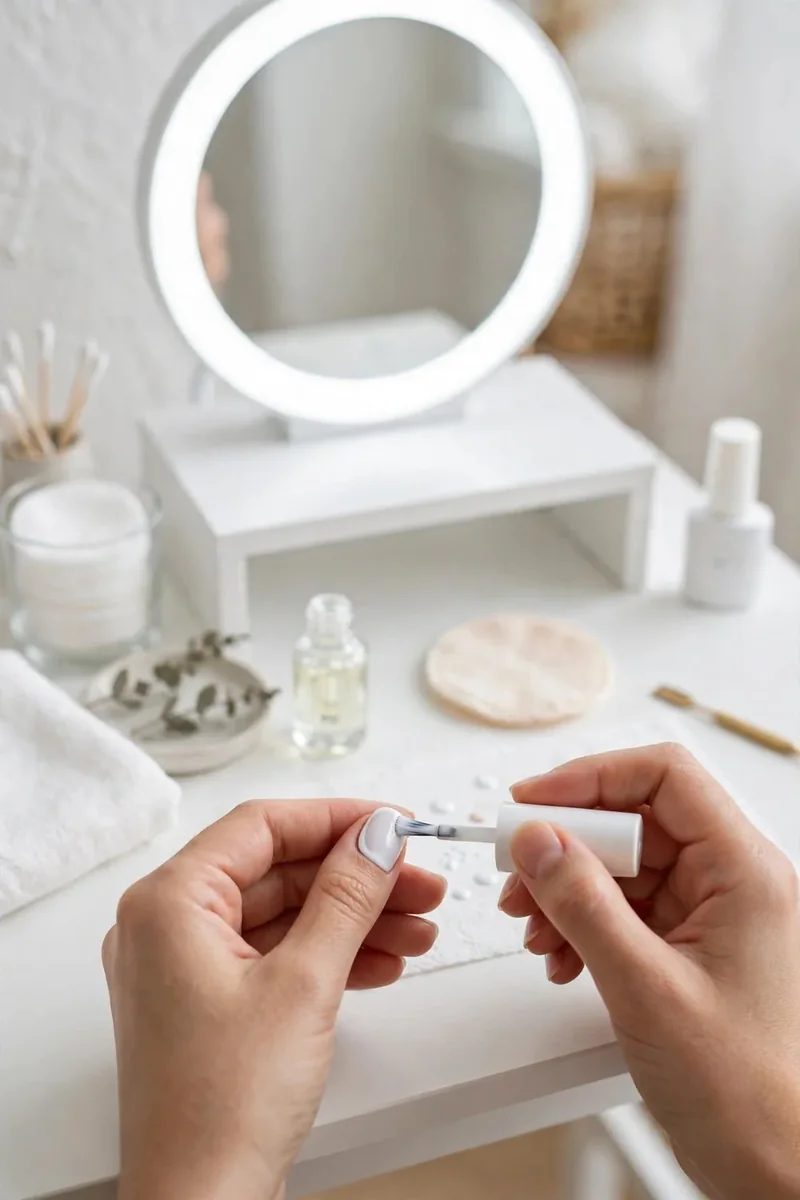
Your nail has a curve, so a ruler straight tip will always look a bit off.
What goes wrong: the line ignores the natural smile line where pink meets white. How it looks: a wide, blunt nail with white corners that seem to sit too low.
Start at one corner and sweep toward the center, then repeat from the other side. Let the two strokes meet in the middle. Those short curves are much easier to control than one long pass, and small dips can be cleaned up afterward.
Find the natural curve at your free edge.
Sweep from the left corner to the center.
Sweep from the right corner to the center.
Check that both corners sit at the same height.
4. Uneven Tips Across Your Ten Nails
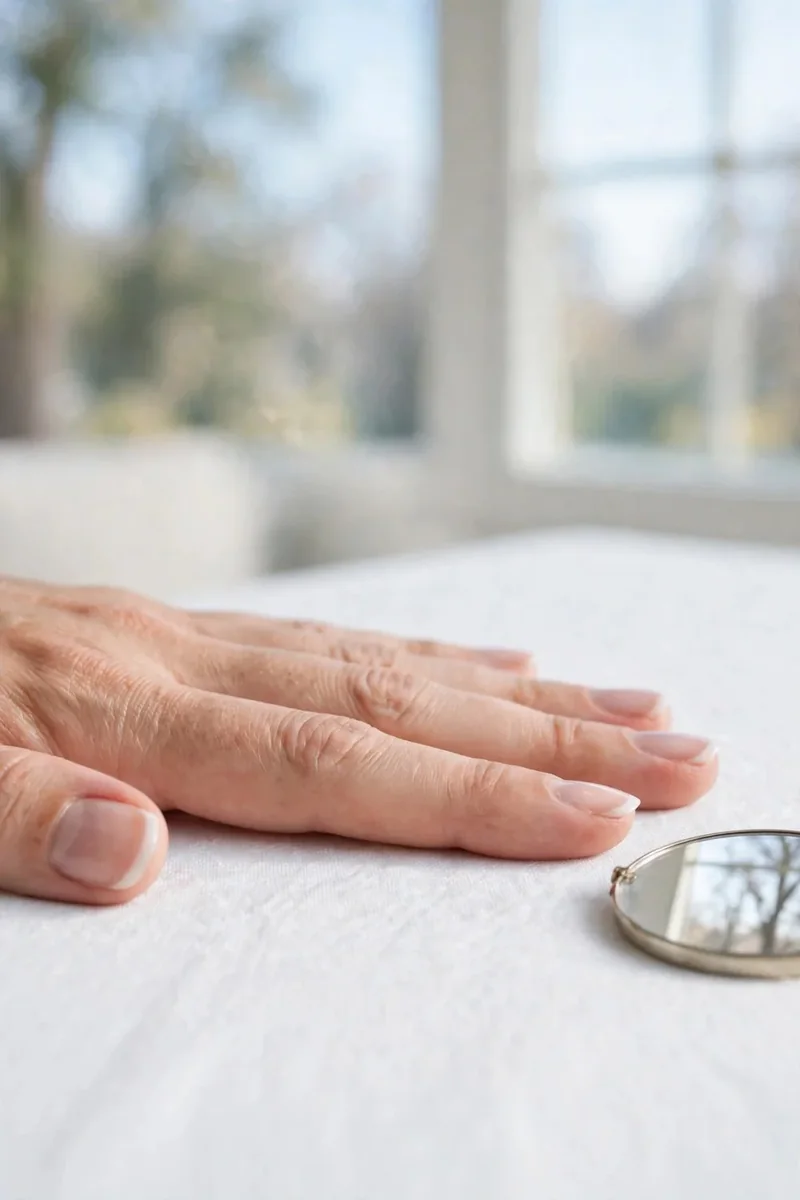
Each nail can look fine alone and still look wrong as a set. This one only shows when you step back.
What goes wrong: you judge one nail at a time, and tip height drifts as you move along. How it looks: a thumb with a thin tip, a ring finger with a wide one, and a hand that seems mismatched.
After each hand, lay your fingers flat and side by side under good light. Compare all five. Pay special attention to thumbs, which sit at a different angle and fool the eye. Even out any tall tip with your cleanup brush before top coat goes on.
5. Leaving the Mess Until Tomorrow
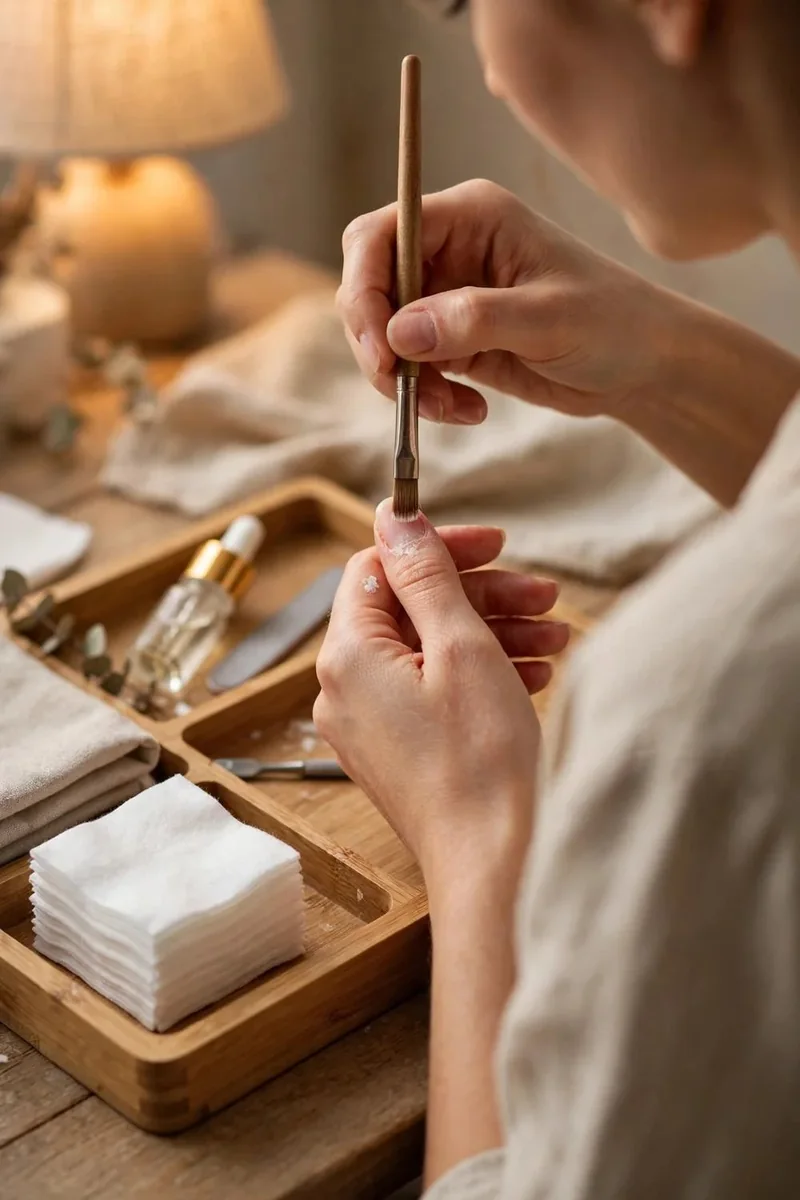
“I will fix it later” rarely goes well. Dry polish on skin looks rough, and it peels your manicure from the edge.
What goes wrong: you skip cleanup, because the nails look nearly done. How it looks: white smudges on the cuticle, blurry edges, and a set that reads as homemade.
Clean up before top coat, while the polish is still fresh enough to move. Use a small brush with remover, not a cotton bud. Buds leave fibers behind, and they are too wide for a line this fine.
Clean each nail right after its tip is dry to the touch.
Blot the brush between nails.
Use a fluffy cotton bud on the tip line.
Seal smudges under the top coat.
6. Dragging Top Coat Through Wet White
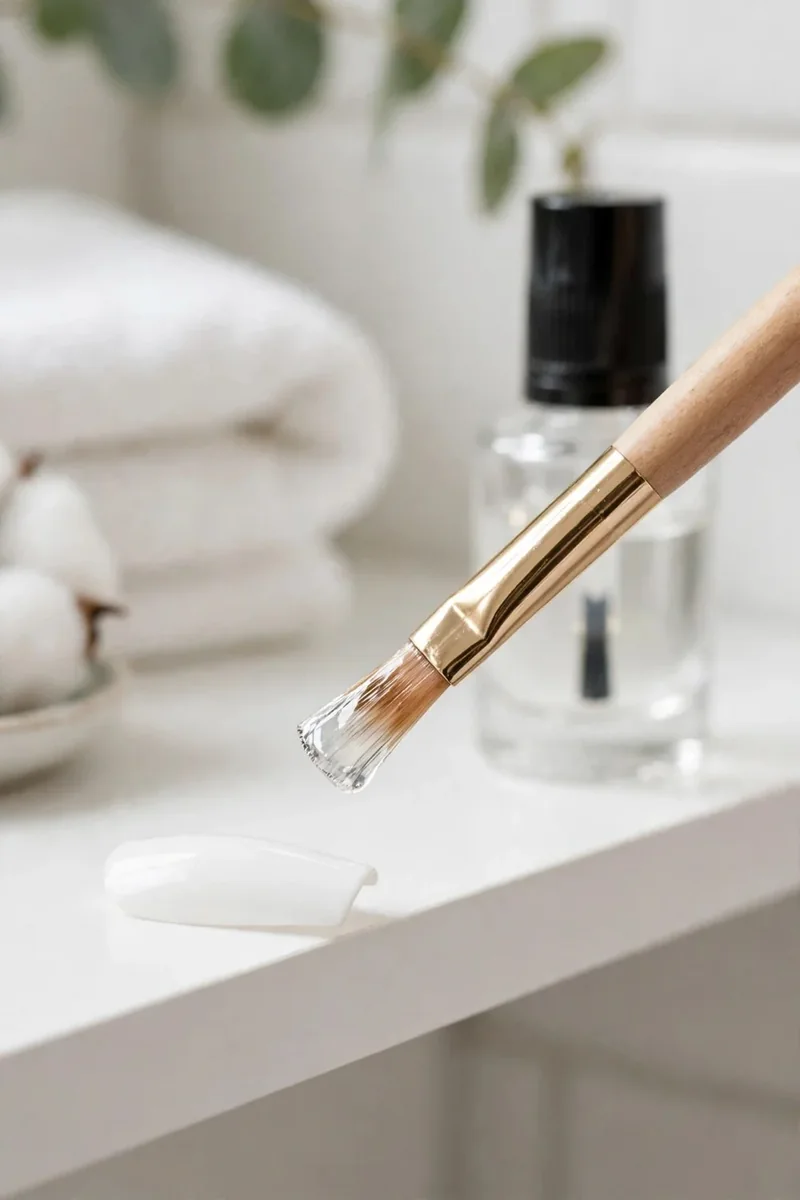
You have one last step, your nails look great, and then white streaks appear across the pink. It is a heartbreaking way to end.
What goes wrong: the white is not dry yet, or the brush presses too hard and carries too little polish. How it looks: a cloudy pink base with faint white trails running down the nail.
Wait 5 full minutes after your tip. Then load the brush well and float it over the nail. The bristles should glide on top of the polish and never scrub the color below.
📌 Good To Know
Streaky top coat can also mean the brush is dirty. If you see white in the bottle neck, wipe the brush on a clean tissue before the next nail.
7. Filing Your Nails After You Paint
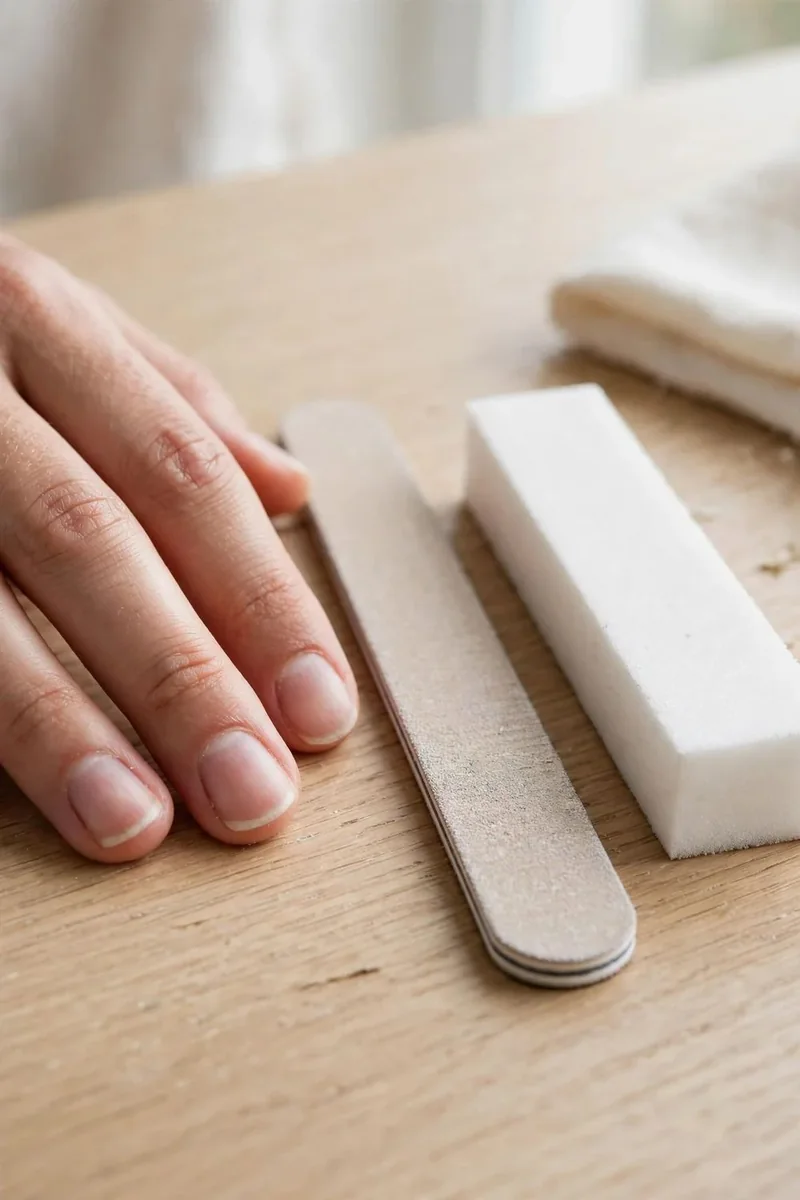
A quick file after your manicure feels harmless. It can cost you the whole tip line.
What goes wrong: you spot a snag or an uneven edge once the polish is dry, and you file it. How it looks: a raw nail edge with no seal, a shorter tip on that nail, and a chip that shows up within a day or two.
Do all your shaping first, while the nails are bare. If a snag appears later, smooth it with the finest side of a buffer, then run a thin line of top coat across the edge. That small seal protects the white.
Pick One Fix for Your Next Set
None of these french tip mistakes means you are bad at nails. Each one is a small habit, and small habits change fast. You do not need to fix all seven at once, either. Pick the one that bothered you most on your last set, and use its fix on your next nail. Thin the line first if you are not sure where to start, since that change shows the most. Save this list to your French Tip Nail Ideas board, and check it before you open the white polish next time.